The Constitution of Land Reserves and the Purge of Customary Rights
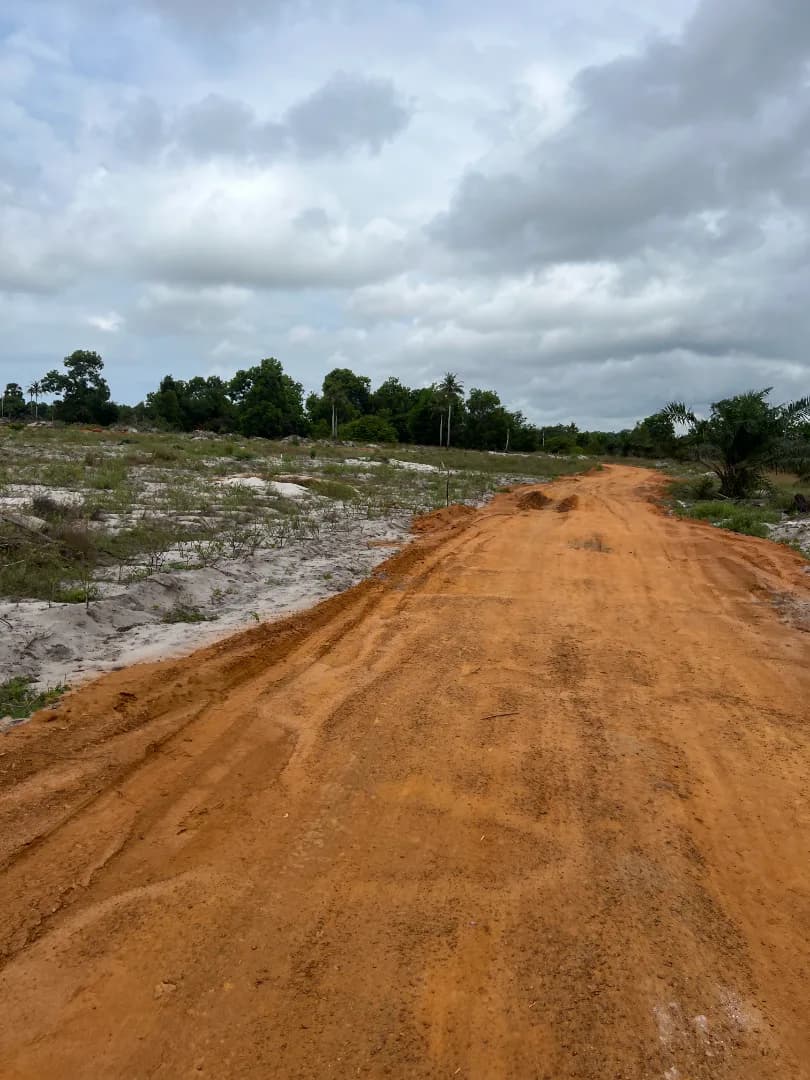
Understanding the essential process of clearing customary rights for urban development in Ivory Coast.
Need a land expert?
Speak with an advisor for free. Reply within 24 business hours.
Why an urban plot can still be claimed by a village community
In Ivory Coast (Côte d'Ivoire), most urban plots were originally customary land belonging to village communities. Before a subdivision can be created and a Definitive Concession Decree (ACD) issued, the State must first purge customary rights: it compensates the communities that hold those rights so that the land officially enters the State's urban land domain.
If that step was not carried out properly, the plot remains legally contestable. Indigenous families can claim their rights, even years after the sale.
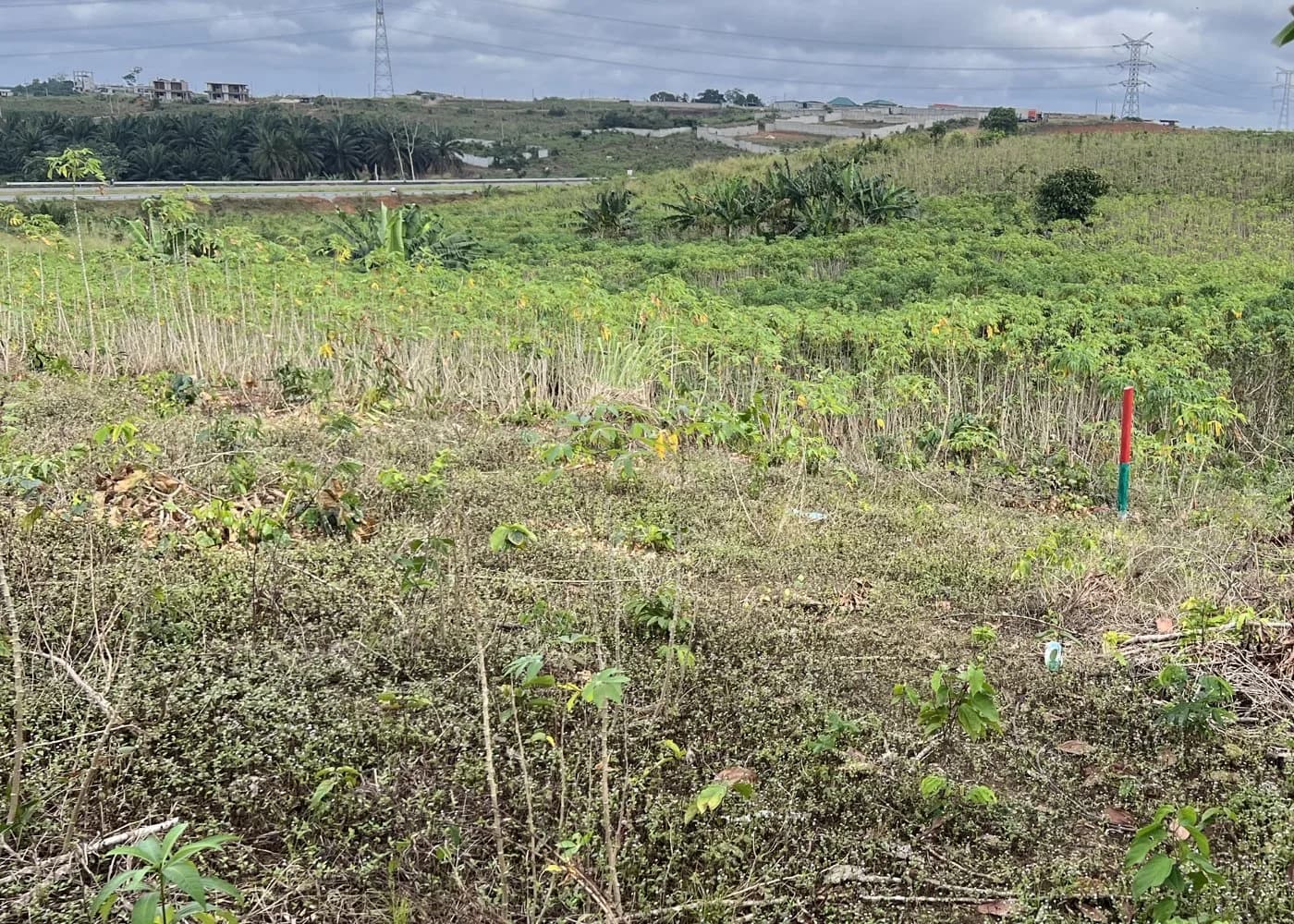
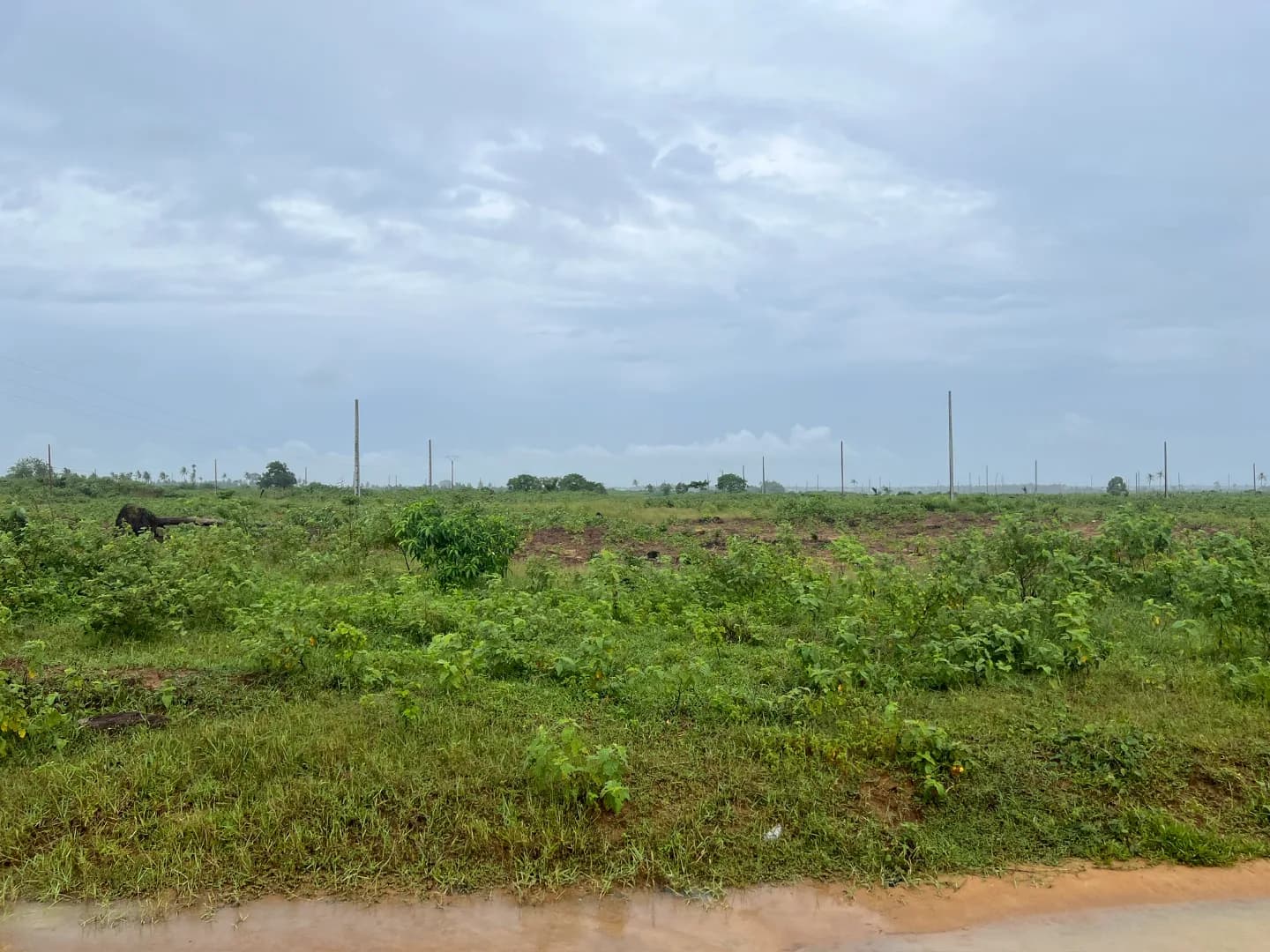
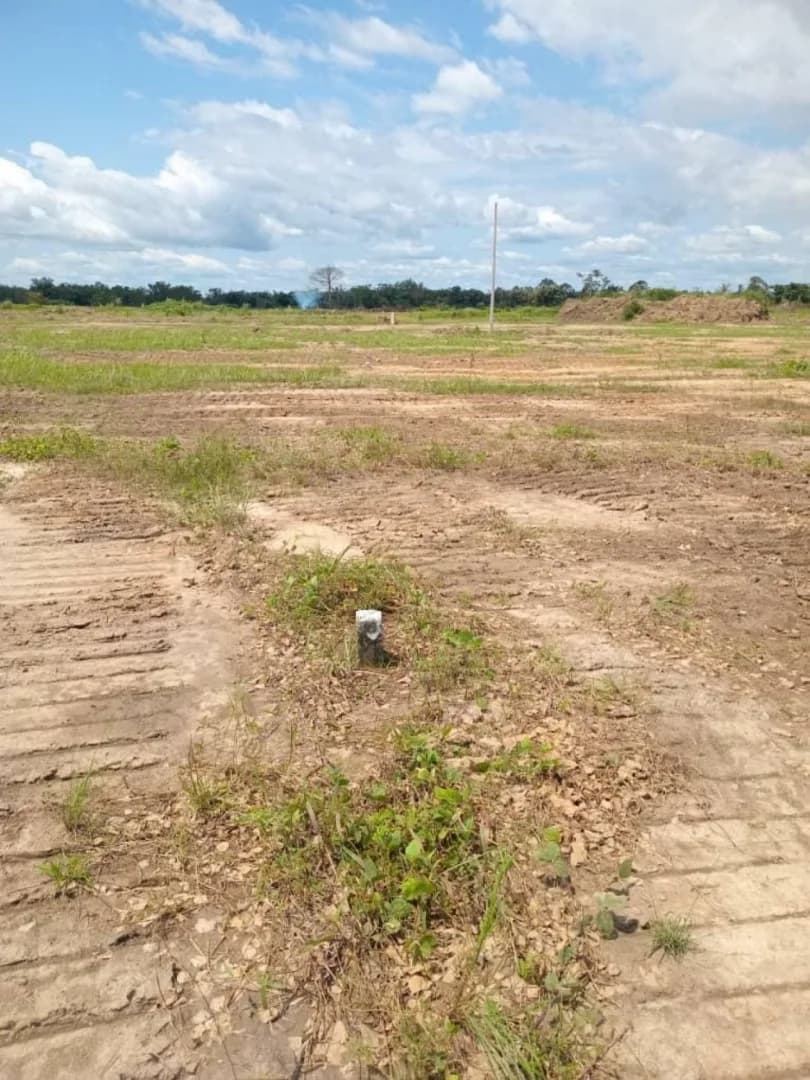
None of this shows up when you walk the plot. It is nevertheless what decides whether the subdivision will hold and whether the ACD can follow.
What is the purging of customary rights?
The purging of customary rights is the procedure by which the State compensates village communities holding traditional rights to a plot, in order to bring it into the urban land domain. It is governed by:
- Decree No. 2013-224 of March 22, 2013 regulating the purging of customary rights to land for the public interest
- Decree No. 2014-25 of January 22, 2014 amending and supplementing Decree 2013-224
- Law No. 98-750 of December 23, 1998 relating to the rural land domain (amended in 2004, 2013, and 2019), which recognizes customary land rights for populations
- Decree No. 2019-266 of March 27, 2019, which repeals Decree No. 99-594 of October 13, 1999
- Ordinance No. 2013-481 of July 2, 2013 and its implementing Decree No. 2013-482 relating to the urban land domain
Only the State purges
According to the Ministry of Construction, in its official magazine BÂTIR nos Villes No. 0001 (2018), only the State is authorized to purge customary rights, for its own account or for that of territorial authorities. Private individuals can carry out a purge only through an agreement entered into with and on behalf of the State.
Put differently: a developer who tells you he has "settled things with the village" is not describing a purge. He is describing a private arrangement, and a private arrangement does not bring the land into the urban land domain.
The procedure in five steps
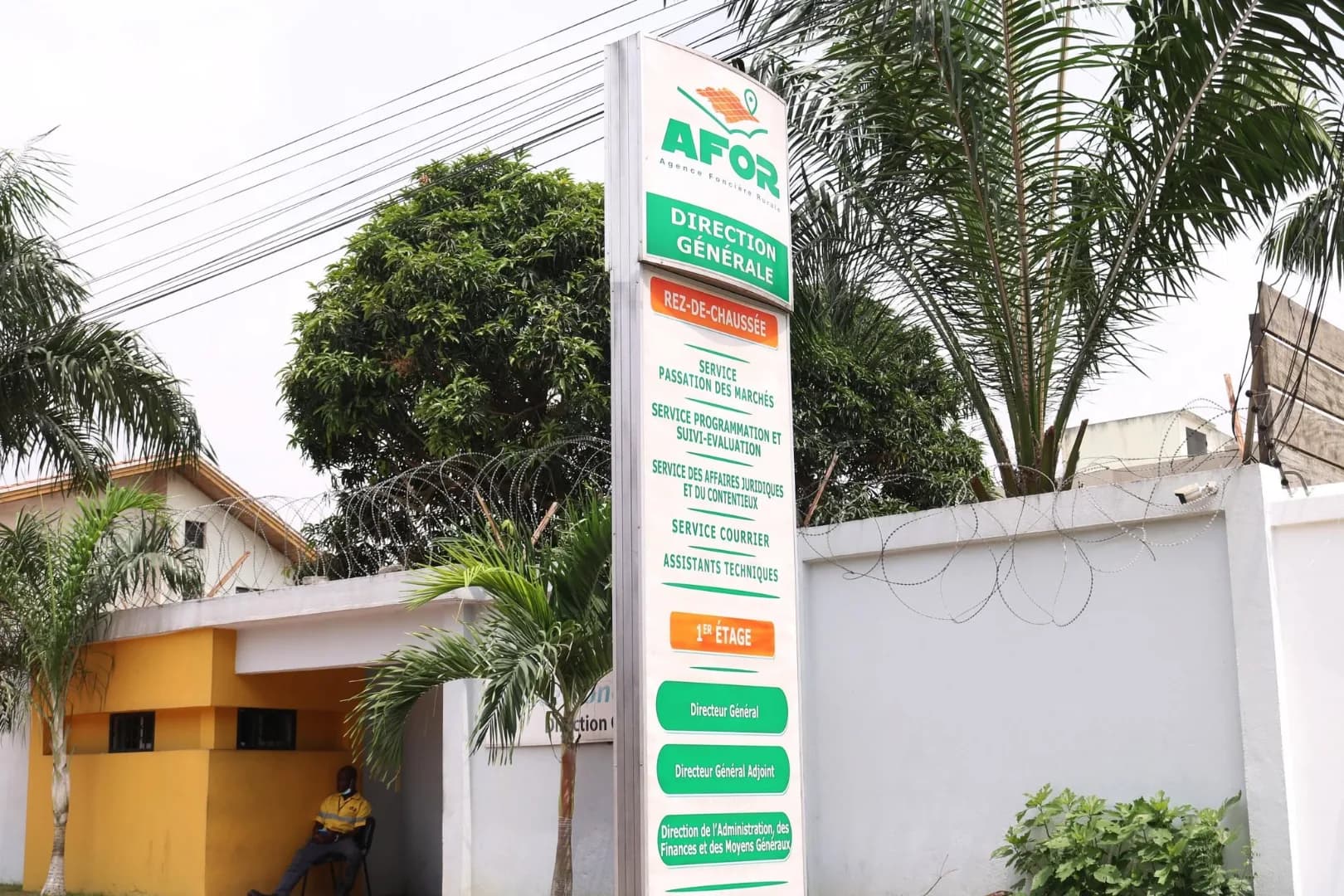
- A sworn investigating commissioner, registered on the national list of the Rural Land Agency (AFOR), identifies the families holding rights to the plot.
- The Rural Land Management Village Committee (CVGFR) verifies those rights. This verification has been mandatory since Decree No. 2019-266.
- The compensation is assessed: the amount is set according to the official geographic rates and the nature of the rights.
- Representatives of the community negotiate and sign the agreement.
- The Ministry of Construction (MCLU) signs the purging order.
The purging order is the document that certifies that customary rights have been legally extinguished on the plot. Without that order, the subdivision cannot be approved.
Source: afor.ci, Decree No. 2019-266
The official purging rate (FCFA per m²)
Decree No. 2013-224 of March 22, 2013, amended by Decree No. 2014-25 of January 22, 2014, sets the official geographic purging rate. Amounts vary by zone:
| Geographic zone | Official rate (FCFA/m²) |
|---|---|
| Autonomous District of Abidjan | 2,000 |
| Autonomous District of Yamoussoukro | 1,500 |
| Regional capital | 1,000 |
| Departmental capital | 750 |
| Sub-prefecture capital | 600 |
Source: Decree No. 2013-224 amended, cited in the official MCLU magazine "BÂTIR nos Villes" No. 0001 (January-February 2018).
Compensation for crops is taken into account and settled separately, on the basis of the assessment and the rate established by the Ministry responsible for Agriculture.
Official purging timelines: the law sets regulatory timelines for each step, from identification through to the ministerial order, by way of verification and negotiation. In practice, these timelines can be much longer, for reasons that are not always easy to explain: disputes, refusal by certain families, incomplete files, back-and-forth between departments.
Compensation methods
Cash compensation
The traditional method: the State pays a sum of money to the families holding rights, calculated on the basis of the official rate. Since the guidelines adopted by Minister Isaac De (BÂTIR nos Villes No. 0001, 2018), payments are made by the Public Treasury into the bank account of each holder, whose Bank Identification Number (BIN) has been transmitted beforehand, and no longer through a third party. This safeguard aims to make sure the money actually reaches the beneficiaries.
Compensation in kind (payment by delivery)
The new MCLU guidelines allow holders of customary rights to receive real estate or developed plots as partial compensation for the resources owed under the purge. The aim is to convert agricultural rents into property rents. A family then receives an asset that stays, instead of a sum paid once.
| Method | Advantages | Limitations |
|---|---|---|
| Cash via the Public Treasury | Direct, traceable payment | Amount sometimes deemed insufficient, nothing lasting for the family |
| In kind (developed lots, payment by delivery) | Lasting asset, integration into the city | Complex logistics, longer timelines |
The SRFGPE: the service that negotiates purges for major State projects
Attached to the Cabinet of the Minister of Construction, the Service for Land Research for Major State Projects (SRFGPE) is responsible for:
- Conducting negotiations with holders of customary rights
- Drafting the agreements between village communities and the State, and having them signed
- Authorizing purge payments, with BINs verified beforehand
- Coordinating the procedures that constitute the land reserves needed for major projects (roads, schools, hospitals, infrastructure)
Three innovations since 2018 (BÂTIR nos Villes No. 0001)
The first concerns the targeting of actual beneficiaries. Purging agreements now involve the rights holders, the administrative authorities, and every customary and village institution, notably the Village Chief and the President of the Land Management Committee. Bringing in all these parties gives moral backing to the agreement and security to the transaction.
The second concerns payments. The Public Treasury pays directly into the beneficiary's BIN, which removes problematic intermediaries.
The third opens up payment by delivery: partial compensation in buildings or developed plots, instead of cash alone.
Source: magazine BÂTIR nos Villes No. 0001 (January-February 2018), interview with the Minister of Construction and M. Anikpo Yed Melei (then Head of the SRFGPE).
The State's land reserves
What is a land reserve?
A land reserve is a plot the State constitutes for public interest needs: roads, schools, health centers, green spaces, high-voltage lines, public infrastructure. Private individuals cannot build on these plots.
The land research service for major projects
For major infrastructure projects, the State has the SRFGPE (see previous section) within the MCLU. This service:
- Identifies the plots needed for public projects
- Assesses their legal status (customary, urban, already allocated)
- Coordinates purging and expropriation procedures
- Plans the constitution of reserves under the Master Urban Development Plan for Greater Abidjan (SDUGA), approved by decree of March 9, 2016, with a horizon of 2030
Source: construction.gouv.ci, MCLU
Why this matters for the investor
A plot located on a projected public footprint (a future road, a public utility zone) is a plot at risk. Even if a seller offers it to you with a property document, construction may be blocked or demolished if the plot sits inside a land reserve.
How do you find out before buying? Order a domain statement from the MCLU, billed at 5,000 FCFA. It reveals whether the plot carries a public easement or sits in a reserved zone.
Source: servicepublic.gouv.ci
The risks of a plot whose customary rights have not been purged
Late claims
If the purge was not carried out properly, or if some families were never consulted, claims can emerge years later. These disputes are frequent in the expansion zones of Greater Abidjan (Songon, Bingerville, Anyama), where urbanization advances faster than purging procedures.
Annulment of the subdivision
A subdivision whose purge is contested may see its approval order called into question. If the subdivision is annulled, the ACDs issued on its lots become void.
Inability to obtain an ACD
On a plot whose customary rights have not been purged, the ACD procedure cannot be completed. The file will be rejected at the Single Land and Housing Window (GUFH, tel. 27 20 21 74 78).
How to check that the purge was carried out
- Ask the seller or the developer for the purging order. This is the key document.
- Check the subdivision approval order at the MCLU (construction.gouv.ci): an approved subdivision implies that the purge was validated.
- Order a domain statement (5,000 FCFA) to check the plot's status in the Integrated Urban Land Management System (SIGFU).
- Consult a notary, who will check the complete legal chain.
Official sources:
- afor.ci: Rural Land Agency, CVGFR
- construction.gouv.ci: MCLU, land reserves, SDUGA
- servicepublic.gouv.ci: domain statement, ACD
- Decree No. 2013-224 of March 22, 2013: regulation of the purging of customary rights
- Decree No. 2014-25 of January 22, 2014: amendment to Decree 2013-224
- Law No. 98-750 of December 23, 1998: rural land domain (amended)
- Decree No. 2019-266: verification of customary rights, CVGFR
- Ordinance No. 2013-481 of July 2, 2013: urban land domain
- Decree No. 2013-482 of July 2, 2013: implementation procedures
- Decree of March 9, 2016: approval of the SDUGA
- Magazine BÂTIR nos Villes No. 0001 (Jan-Feb 2018): Ministry of Construction
To learn more:
- Delimitation of village territories
- Approved subdivision: verifications and procedures
- Customary rights and the Land Title
- ACD procedure: steps and documents
- Land FAQ
?Frequently asked questions
What is the purging of customary rights?+
It is the procedure by which the State compensates village communities to extinguish their traditional rights to a plot, in order to bring it into the urban land domain. It is governed by Decree No. 2013-224 (amended by Decree 2014-25), Law No. 98-750, Decree No. 2019-266, and the Urban Planning Code (Law No. 2020-624), which repealed Ordinance No. 2013-481.
What is the official purging rate?+
According to Decree No. 2013-224 amended, the geographic rate is 2,000 FCFA/m² in the Abidjan District, 1,500 FCFA/m² in Yamoussoukro, 1,000 FCFA/m² in a regional capital, 750 FCFA/m² in a departmental capital, and 600 FCFA/m² in a sub-prefecture capital. Crop compensation is calculated separately, on the basis of the Ministry of Agriculture's rate.
Can private individuals purge customary rights themselves?+
No. Only the State is authorized to purge, for its own account or for that of territorial authorities. Private individuals can carry out a purge only under an agreement entered into with and on behalf of the State.
How can you tell if customary rights have been purged?+
Ask the seller or the developer for the purging order. Also check the subdivision approval order at the MCLU: a subdivision can only be approved if the purge was carried out. A domain statement (5,000 FCFA) confirms the status in the SIGFU.
What are the risks if the purge has not been done?+
The buyer is exposed to claims by indigenous families, to the annulment of the subdivision, and to the inability to obtain an ACD. The risk of losing the whole investment is real.
Do the new guidelines change anything?+
Yes. Since 2018, the MCLU has introduced three innovations: the targeting of actual beneficiaries through the Village Chief and the President of the Land Management Committee, tighter payment security through direct Public Treasury transfer, and the possibility of compensation in kind (developed lots, payment by delivery) rather than cash alone.
Does the CVGFR play a role in the purge?+
Yes. Since Decree No. 2019-266, the CVGFR takes part in verifying customary rights. A CVGFR constituted without including at least one woman is irregular (AFOR FAQ).
Are official timelines respected in practice?+
The texts set regulatory timelines for each step: identification, verification, negotiation, ministerial order. In practice, timelines can be much longer, for reasons that are not always easy to explain. Better to build your schedule on observed practice than on the timelines in the texts, and to get professional support.