Village Attestation (Attestation Villageoise): Risks and Secure Alternatives

The village attestation (attestation villageoise) is the most widespread land document in Ivory Coast (Côte d'Ivoire), but also the riskiest. Here is why, and how to secure your land.
A question about a plot?
Send the first page of a document on WhatsApp: we tell you what it is, free of charge.
Introduction
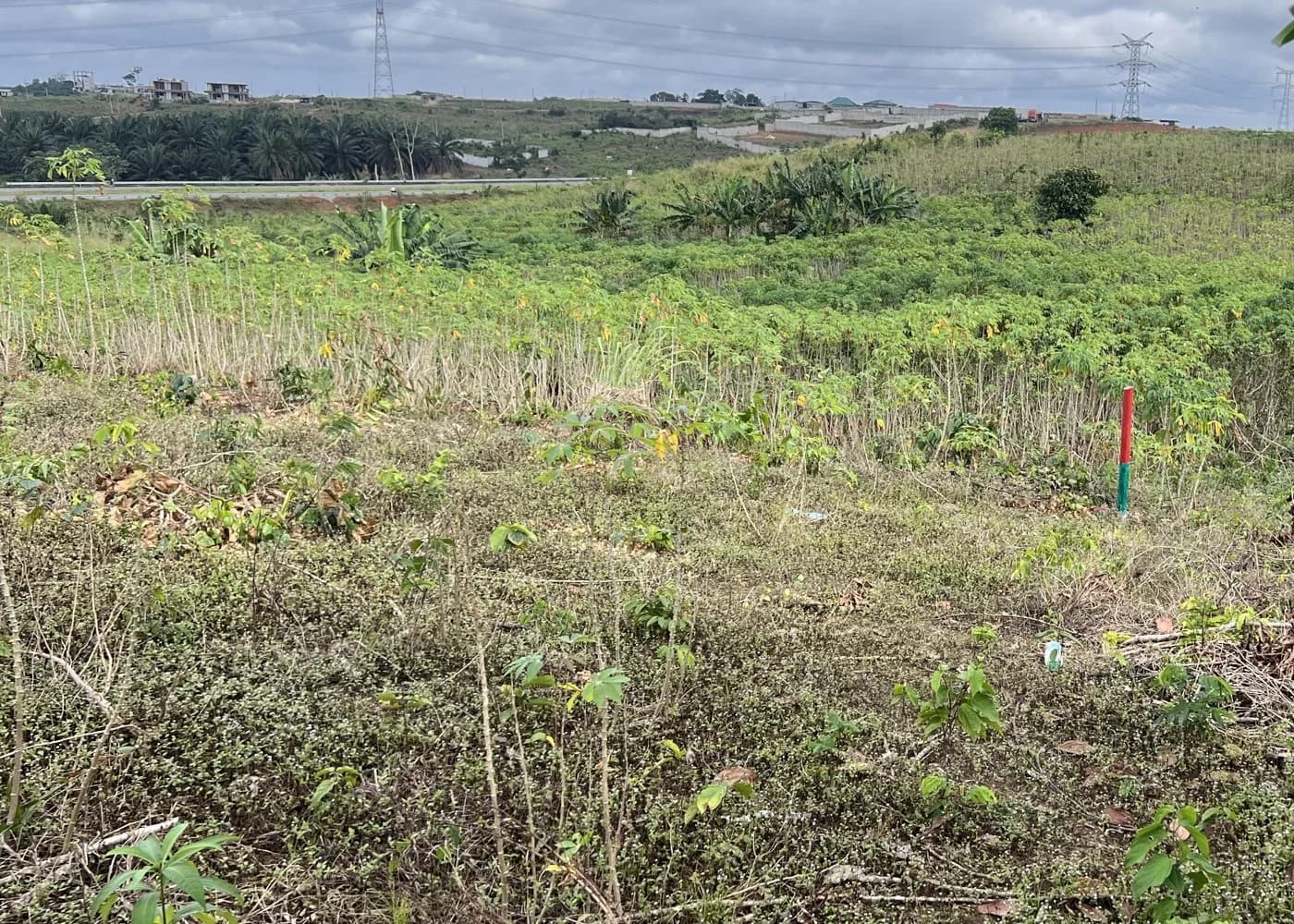
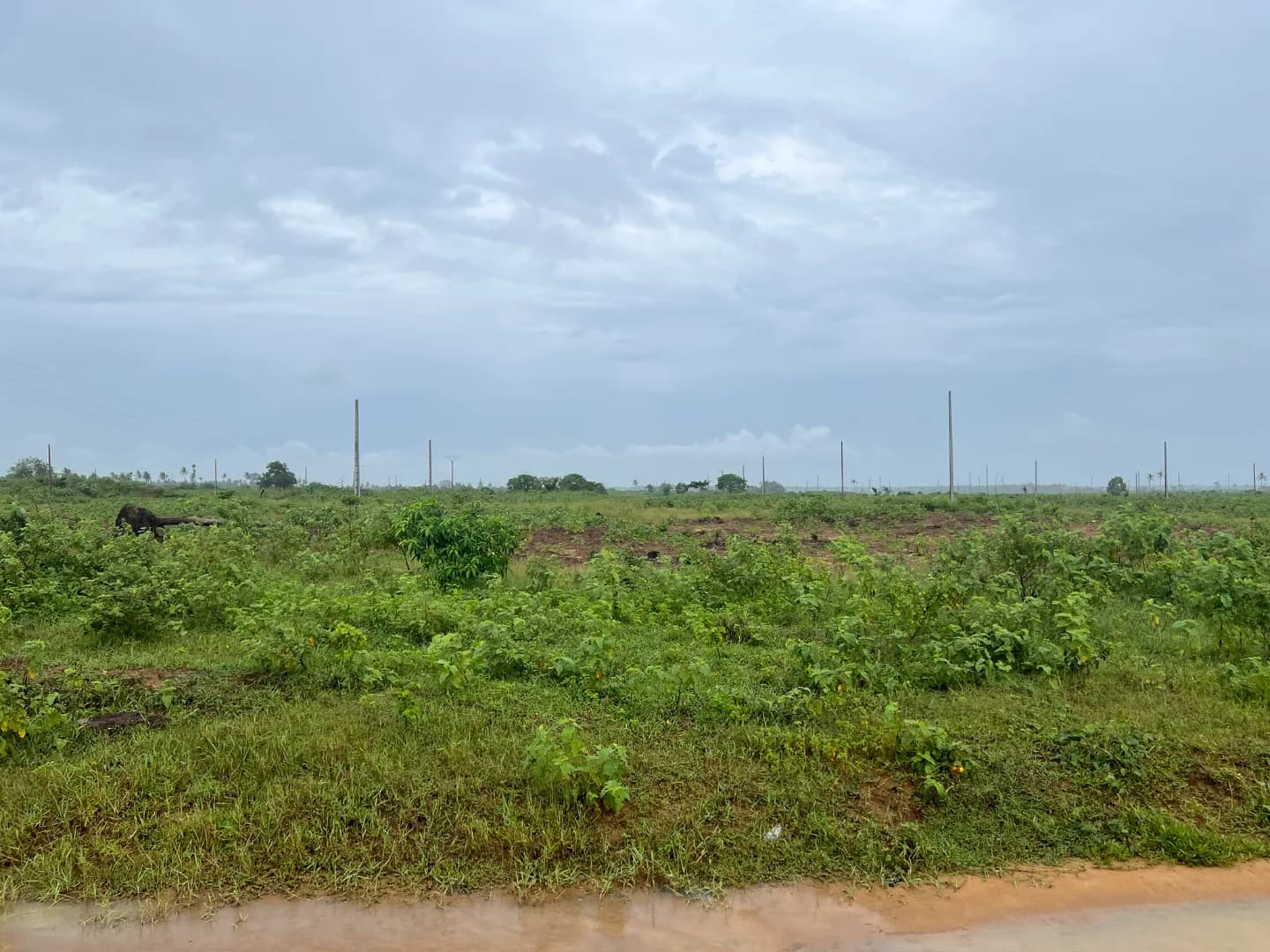
In periurban areas of Ivory Coast (Côte d'Ivoire), many plots of land still change hands on the strength of a village attestation (attestation villageoise) alone. The document has everything it needs to look convincing: the village chief's name, witness signatures, sometimes a sketch. Yet it makes you neither the owner nor the holder of a right enforceable against third parties.
What is a village attestation?
The village attestation (attestation villageoise) is issued by the village chief or by the village community. It records that a plot from the customary domain has been sold to a buyer.
Since July 1, 2024, it has been replaced by the ADU (Attestation de Droit d'Usage coutumier, customary right-of-use attestation), drawn up by the Ministry of Construction in the SIGFU, handed over by the village chieftaincy, and free of charge (MCLU, August 2024). And since January 1, 2025, the ADU has in principle been the only customary document admissible in support of an application for an ACD (Arrêté de Concession Définitive, the definitive concession order), which is filed with the GUFH (Guichet Unique du Foncier, the one-stop land office). The ADU is only issued for subdivisions approved since 2023: for an earlier subdivision, the ministry has provided that the holder of a village attestation may file an ACD application with that document, and files continue to be processed on that basis. The old attestations, however, are still circulating on the market.
What it contains
- Identity of the seller (customary owner)
- Identity of the buyer
- Description of the plot (area, location)
- Signatures of the village chief and witnesses
- Sometimes a rough plan
What it does not contain
- No official cadastral reference
- No oversight by the administration
- Nothing preventing a second sale of the same plot
- No enforceability against third parties
The five major risks
Risk 1: double sale
The customary owner can sell the same plot to several buyers. With no centralised registration, nothing stops them from signing several attestations for the same plot, and the buyer has no easy way to check.
Risk 2: family disputes
The seller's heirs may contest the sale years later, on the grounds that they were not consulted or that the plot belongs to the family estate. The dispute often surfaces when the land gains value.
Risk 3: land unfit for construction
Without a planning check, the plot may sit in a flood zone, on a planned road route, or within a state land reserve. The attestation says nothing about any of this.
Risk 4: no legal recourse
In the event of a dispute, the courts do not recognise the village attestation as a title deed. Your recourse is limited to evidence of possession and witness statements, which carry little weight against a registered deed.
Risk 5: no access to financing
No bank accepts a village attestation as security for a mortgage. As long as the plot is not registered, it cannot be mortgaged.
How to secure a plot held under a village attestation
If you already hold a plot covered only by an attestation, regularisation takes place in four stages.
Step 1: preliminary checks
- Verify that the seller is indeed the recognised customary owner
- Make sure no other sale of the same plot has been signed
- Consult the village chief and the elders
- Check that the plot is not in a zone unfit for construction
Step 2: purge of customary rights
The purge of customary rights is the official procedure that converts a customary right into a modern legal right. It involves four steps:
- Application to the sub-prefect
- Public inquiry (enquête de commodo et incommodo)
- Compensation of the village community
- Official record of the purge
Step 3: application for a provisional concession
Once the purge has been declared, the application is filed with the Ministry of Construction, Housing and Urban Planning (MCLU):
- Filing of the file with the one-stop land office (Guichet Unique du Foncier)
- Issuance of the provisional concession (3 years)
- Development of the plot (obligation to build or improve)
Step 4: obtaining the ACD and registration in the Land Register
Official timeframe: according to the Ivorian administration's own texts, 180 calendar days at the MCLU for an ACD on an approved subdivision (BÂTIR No. 004, 2022), excluding processing at the tax authority. In practice, the total time experienced is often longer. Note: the Land Title (Titre Foncier, TF) is created by the Land and Mortgage Registry (Conservation de la Propriété Foncière et des Hypothèques, CPFH) during the ACD procedure, at official step 3. It is not a conversion: the ACD registered in the Land Register (Livre Foncier) is the registered land title.
- Application for a certificate of development
- Issuance of the ACD by ministerial order
- Application for registration in the Land Register
- Boundary survey conducted with all parties present
- Registration in the Land Register, which makes the land title enforceable against all
Cost and timeframes
| Step | Estimated cost | Timeframe |
|---|---|---|
| Purge of customary rights | 200,000 - 500,000 FCFA | 3 to 6 months |
| Provisional concession | 100,000 - 300,000 FCFA | 1 to 3 months |
| ACD | 200,000 - 500,000 FCFA | 180 official days, often longer |
| Registration in the Land Register | 300,000 - 700,000 FCFA | part of the ACD procedure |
| Total | 800,000 - 2,000,000 FCFA | 2 to 4 years |
These ranges are orders of magnitude, not an official schedule: the official fee for each individual step can be found in the sources.
The alternative: buy a secure plot directly
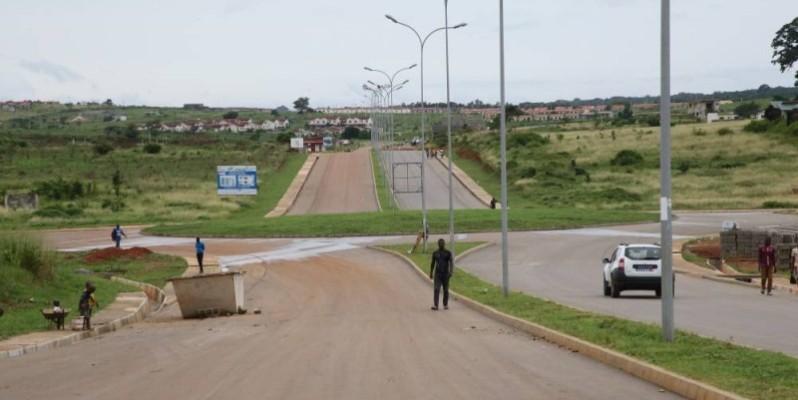
Rather than buying on the strength of a village attestation and bearing the cost and the years of regularisation alone, many investors prefer to purchase a lot located in an approved subdivision and already covered by an ACD. The entry price is higher, but the administrative journey is behind you.
At Capital Foncier, every plot we offer holds at minimum an ACD, and we support the investor all the way to registration in the Land Register.
Conclusion
The village attestation is not a fake document, and many of today's owners started out with one. It is simply not a title deed. If you hold one, have the plot's administrative status verified, then begin the purge of customary rights.
Official sources:
- servicepublic.gouv.ci: ACD (100,000 FCFA per individual lot), CMPF (15,000 FCFA), state domain status certificate (5,000 FCFA), land status certificate (3,000 FCFA)
- construction.gouv.ci: MCLU, GUFH (Tel.: 27 20 21 74 78), database of subdivisions since 1960
- idufci.construction.gouv.ci: IDUFCI (Identifiant Unique du Foncier de Côte d'Ivoire, the national unique land identifier; Decree No. 2019-221); SIGFU (Système Intégré de Gestion du Foncier Urbain, the integrated urban land management system; Decree No. 2021-862)
- dgi.gouv.ci: Land Registry (Conservation Foncière), IPF
- Ordinance No. 2013-481 on urban land tenure
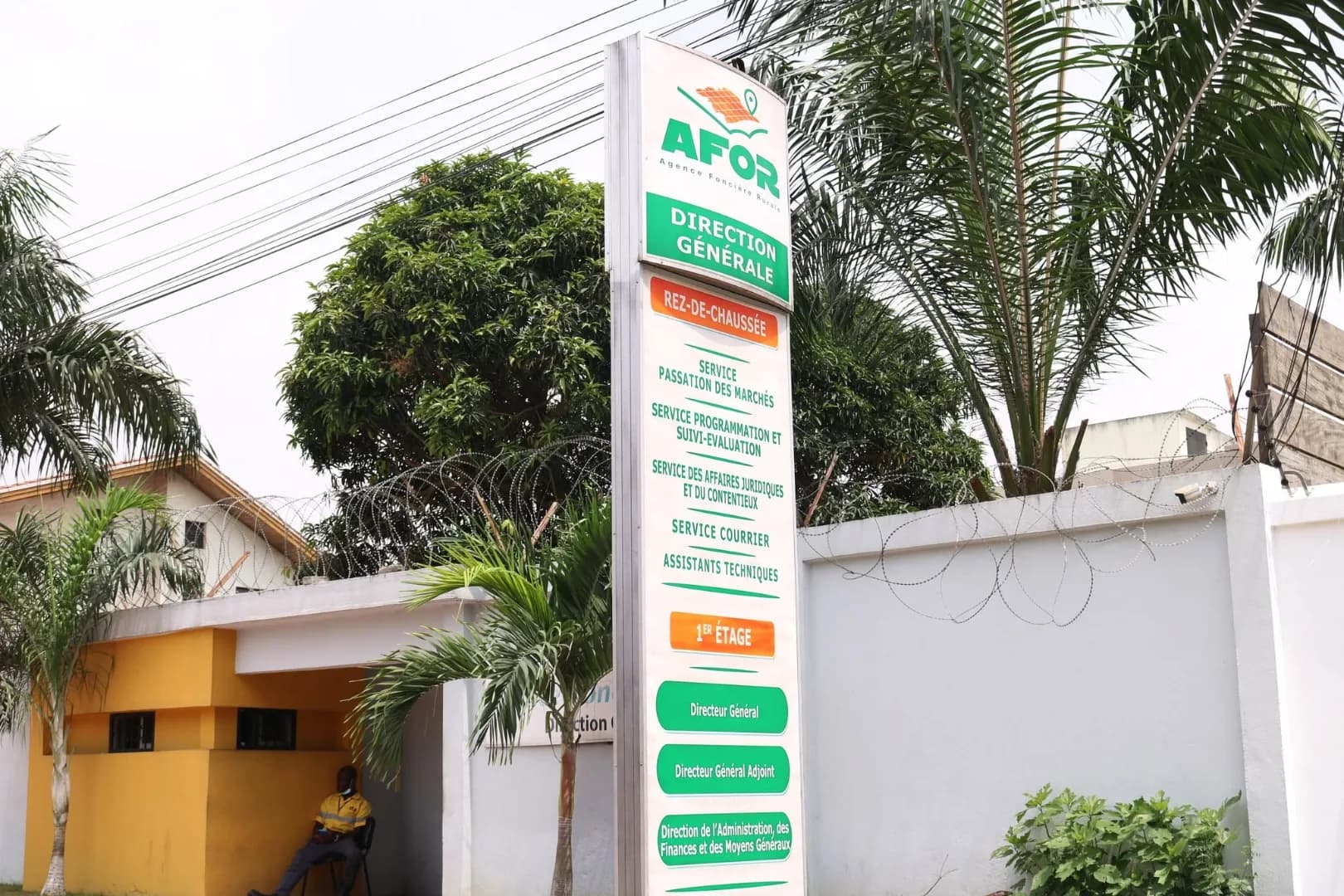
- afor.ci: AFOR (Agence Foncière Rurale, the rural land agency), certification, contracting
- Law No. 98-750 (PDF): rural land tenure
- PRESFOR: 3,353 villages, 16 regions, free certification
- Decree No. 2019-263 on the delimitation of village territories
- Decree No. 2019-266 on investigating commissioners and village rural land management committees (CVGFR)
?Frequently asked questions
My plot has had a village attestation for 10 years, am I protected?+
No. Age confers no additional legal value on a village attestation. What protects you is regularisation carried through to an ACD registered in the Land Register. And time works against you: the more years pass, the more heirs multiply.
How long does it take to go from a village attestation to a land title?+
Allow 2 to 4 years for the full journey (purge, provisional concession, ACD, registration in the Land Register) and a budget of 800,000 to 2,000,000 FCFA. That is what separates a plot you can resell from a plot that is stuck.